

Discover Natural Rhythm in Spanish Through Daily Practice.
Sofia Ramirez · 22 de julio de 2026
Many learners of Spanish find themselves stuck at an intermediate level where they can form sentences but still sound a bit mechanical. The key missing piece is often the natural rhythm that native speakers use without thinking. Daily practice focused on rhythm can change that quickly if you approach it with patience and the right techniques.

Understanding Spanish Rhythm Basics
Spanish is a syllable-timed language unlike English which stresses certain words more heavily. This means each syllable takes roughly the same amount of time to pronounce. Paying attention to this pattern during short daily sessions helps your ear adjust and your mouth follow along more naturally over time.
Start with Shadowing Simple Phrases
Choose a short audio clip from a podcast or song and repeat it right after the speaker. Focus less on perfect pronunciation at first and more on matching the ups and downs in pitch. Do this for ten minutes each morning and you will notice smoother delivery within a couple of weeks.
Consistency beats intensity when building speech habits.
Incorporate Rhythm into Conversations
Once you feel comfortable with isolated phrases move to real exchanges. Record yourself chatting with a language partner and then listen back to spot where your rhythm breaks. Adjust by slowing down stressed syllables slightly while keeping the overall flow steady.

Use Music as a Training Tool
Spanish songs are excellent because they exaggerate rhythm naturally. Pick tracks with clear lyrics and sing along while tapping the beat. This trains your brain to group words in natural clusters rather than one by one.
- Choose upbeat reggaeton for energy
- Try slower ballads to focus on vowel sounds
- Repeat verses until they feel effortless
Track Progress with Simple Metrics
Keep a short journal noting how many minutes you practiced and any phrases that felt smoother that day. Over a month these notes reveal patterns and keep motivation high. Many students see real improvement in natural flow after just four weeks of steady effort.
Combine Reading Aloud and Recording
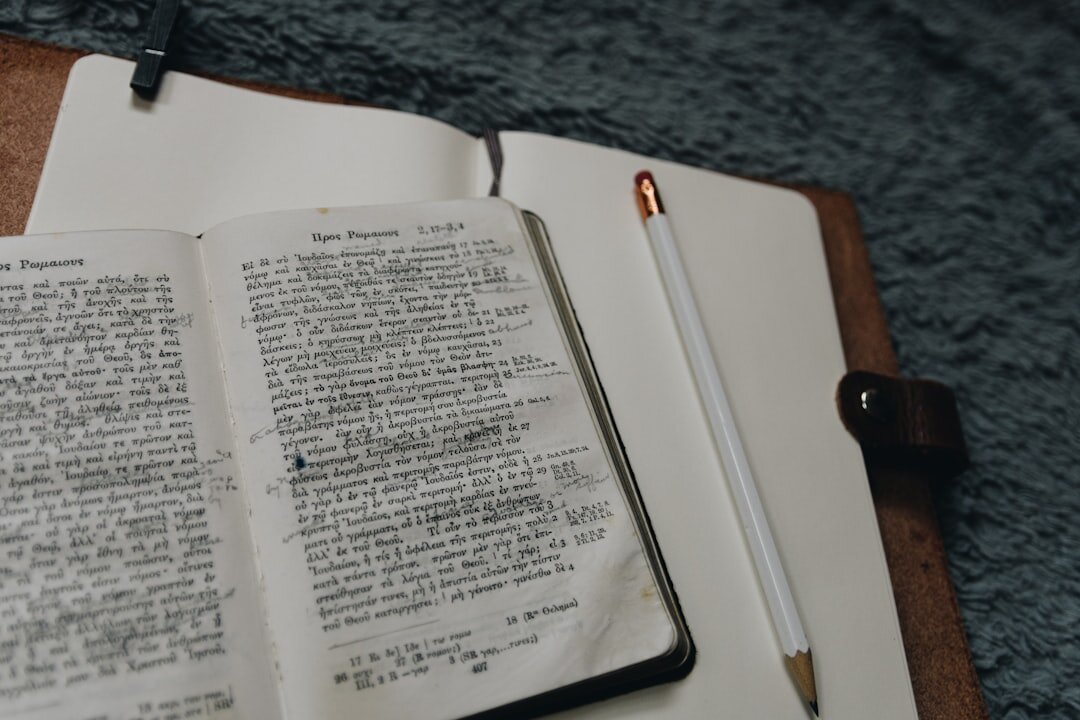
Read a paragraph from a book or news article out loud then play it back. Compare your version to a native recording of the same text. The differences in timing become obvious and give you clear targets for the next session.
Remember that rhythm develops through repetition not perfection. Small daily sessions add up faster than occasional long ones. Stay curious about how words connect in real speech and your Spanish will start sounding more alive and authentic.