

Fun Drills That Make Spanish Speech Training Addictive
Elena Vargas · 10 de julio de 2026
Getting the hang of Spanish pronunciation often feels like a chore at first, but with the right approach it quickly turns into something you look forward to each day. At newskixo.net we have seen countless students go from hesitant speakers to confident conversationalists by weaving simple, game-like drills into their routines. These exercises focus on rhythm, sound patterns, and real-life interaction rather than dry repetition, making every session feel fresh and rewarding.
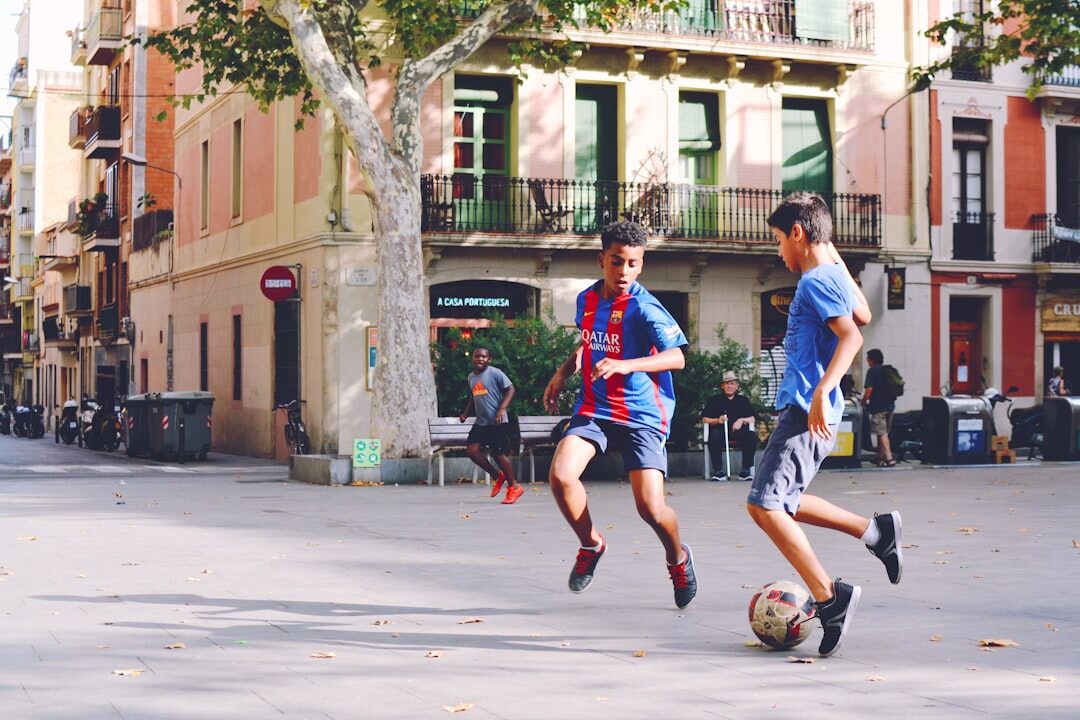
Start with playful tongue twisters
Traditional tongue twisters get a bad rap for being frustrating, yet when you treat them like a quick game they become oddly satisfying. Begin with short ones such as "Tres tristes tigres" and gradually add speed. Record yourself once in the morning and again after lunch to notice how your tongue loosens up. The key is keeping sessions under five minutes so the brain stays engaged instead of zoning out. Over time these drills sharpen the tricky rolled r and the soft d sounds that trip up many learners.
Turn daily routines into mini lessons
Attach a short drill to something you already do without thinking. While brushing your teeth, repeat vowel combinations in a singsong voice. During your commute, shadow a short podcast clip by repeating phrases right after the speaker. These micro-habits add up without requiring extra time blocks, and they keep Spanish sounds circulating in your mind throughout the day.
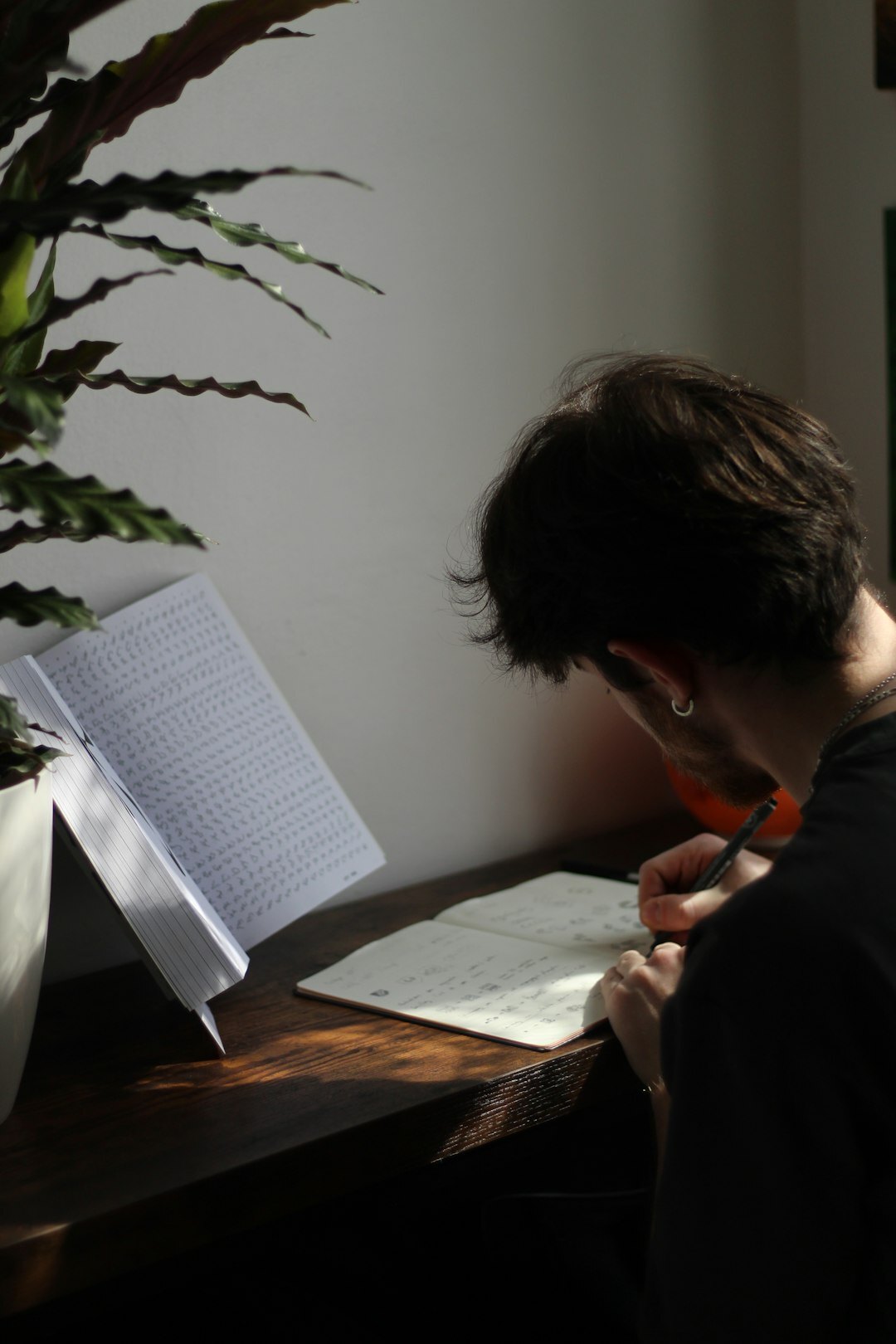
Role-play everyday scenarios
Nothing beats pretending you are ordering coffee or asking for directions in a lively market. Grab a friend or even speak to yourself in front of a mirror while acting out the scene. Change the emotion each time—once excited, once confused, once in a hurry. This variation trains your mouth to produce natural intonation rather than flat textbook delivery. Many students report that after a week of these skits they start dreaming in Spanish fragments, a sure sign the drills are sticking.
Use rhythm and music as anchors
Spanish has a natural musical flow that drills can capture easily. Pick a favorite song with clear lyrics and sing along, then strip away the music and recite the lines at normal speed. Focus on matching the original singer’s stress patterns. This method builds muscle memory for syllable timing far better than isolated word lists. Try it with different genres to expose yourself to regional accents without leaving your living room.

Track progress with friendly challenges
Set up weekly mini-contests with yourself or a study buddy. Record a two-minute story using target sounds, then compare it to the previous week’s version. Celebrate small wins like nailing the ll sound or keeping a conversation flowing for an extra minute. The sense of steady improvement turns practice into a habit you actually crave instead of avoid. Over a few months these cumulative gains lead to conversations that feel effortless rather than forced.
Consistency matters more than intensity, so keep drills short and varied. When boredom creeps in, switch the theme or add a new twist such as speaking only in the past tense for an entire evening. The goal is to make Spanish speech training something you miss when you skip a day, not another item on a to-do list. With these approaches many learners discover they are speaking more than they ever expected, and enjoying every minute of it.