

Unlock Fluent Conversations Through Targeted Pronunciation Drills.
Sofia Ramirez · 5 de agosto de 2026
Many learners of Spanish reach a point where they understand grammar and vocabulary but still struggle to sound natural when speaking. The missing piece often comes down to pronunciation. Targeted drills help bridge that gap by focusing on the specific sounds that make Spanish flow smoothly.

Why Pronunciation Matters More Than You Think
Spanish has its own rhythm and melody. When you master the way vowels are held and consonants are softened, your sentences start to feel effortless. Listeners respond better too, because clear pronunciation reduces misunderstandings and builds instant rapport.
Common Challenges for English Speakers
English speakers often roll their Rs too hard or shorten vowels that should stay open. They might also place stress on the wrong syllable, which can change the meaning of words entirely. A few minutes of daily drills on these trouble spots can make a surprising difference within weeks.
Building a Daily Drill Routine
Start with short sessions. Five minutes on tongue twisters that emphasize the rolled R, followed by five minutes repeating minimal pairs like pero and perro. Record yourself once a week so you can hear the progress. Consistency beats intensity every time.
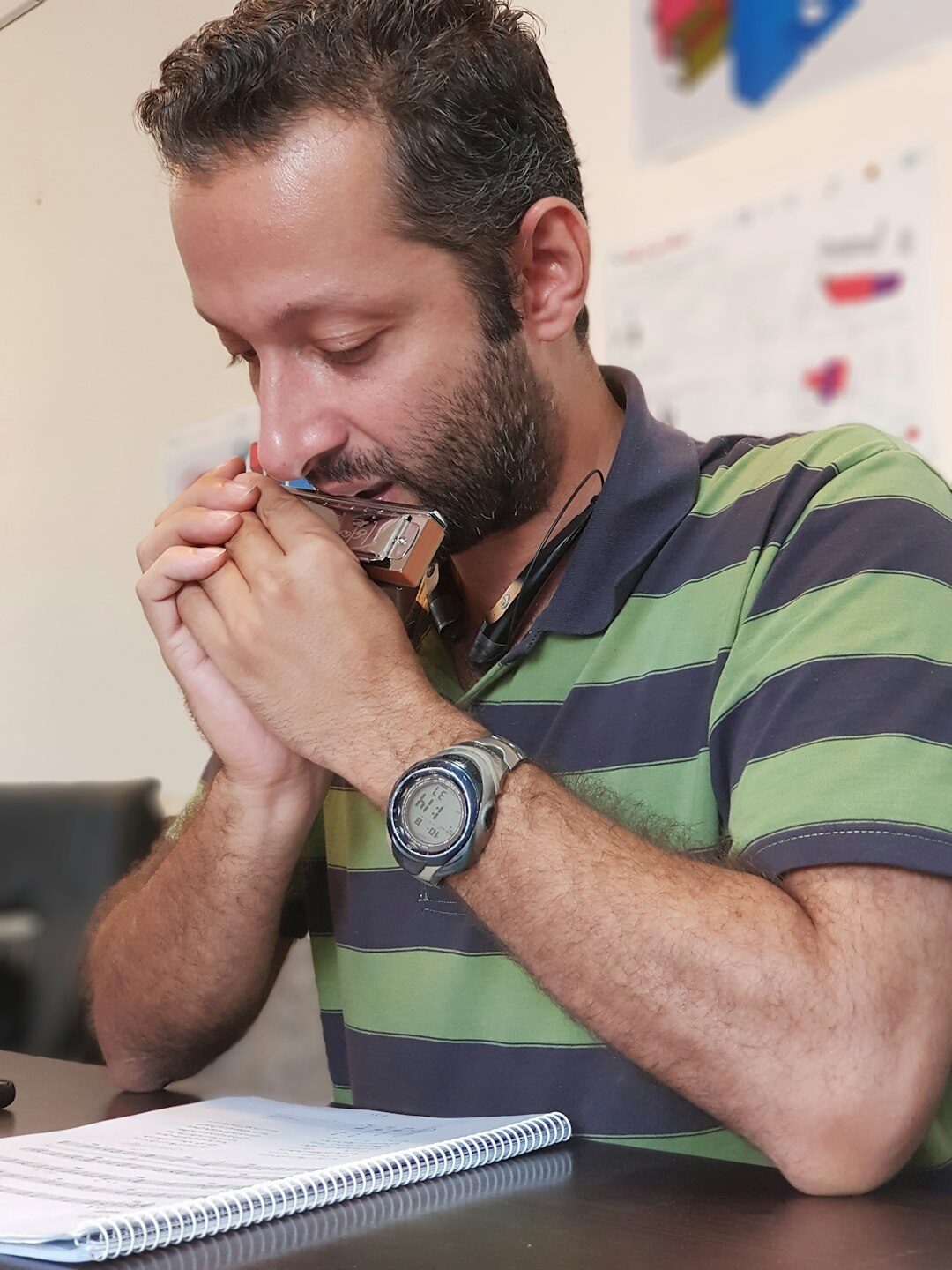
Using Minimal Pairs Effectively
Minimal pairs are words that differ by only one sound. Practicing them trains your ear and your mouth at the same time. Try lists that focus on the soft D versus the strong D, or the difference between the open and closed E. Over time these small distinctions become automatic.
Clear pronunciation is the bridge between knowing a language and truly living in it.
From Drills to Real Conversations
Once the sounds feel comfortable in isolation, move them into sentences. Role-play ordering food, asking for directions, or chatting about weekend plans. The goal is to carry the precision you practiced into spontaneous speech without overthinking.
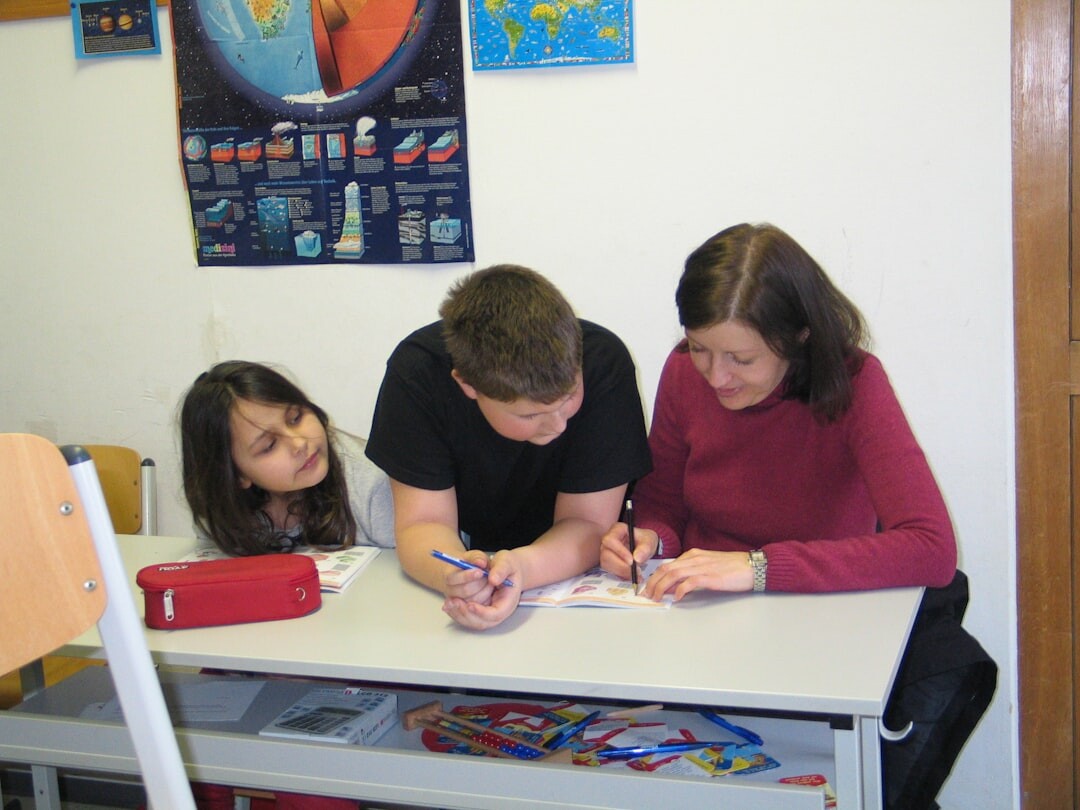
Many students notice they start thinking in Spanish rather than translating. That shift happens because the mouth no longer fights the sounds. The brain is free to focus on ideas instead of mechanics.
Tracking Your Progress
Keep a simple log of new words or phrases that used to trip you up. After a month, revisit them. You will likely be surprised at how much easier they have become. Celebrate those small wins; they add up to real fluency.